

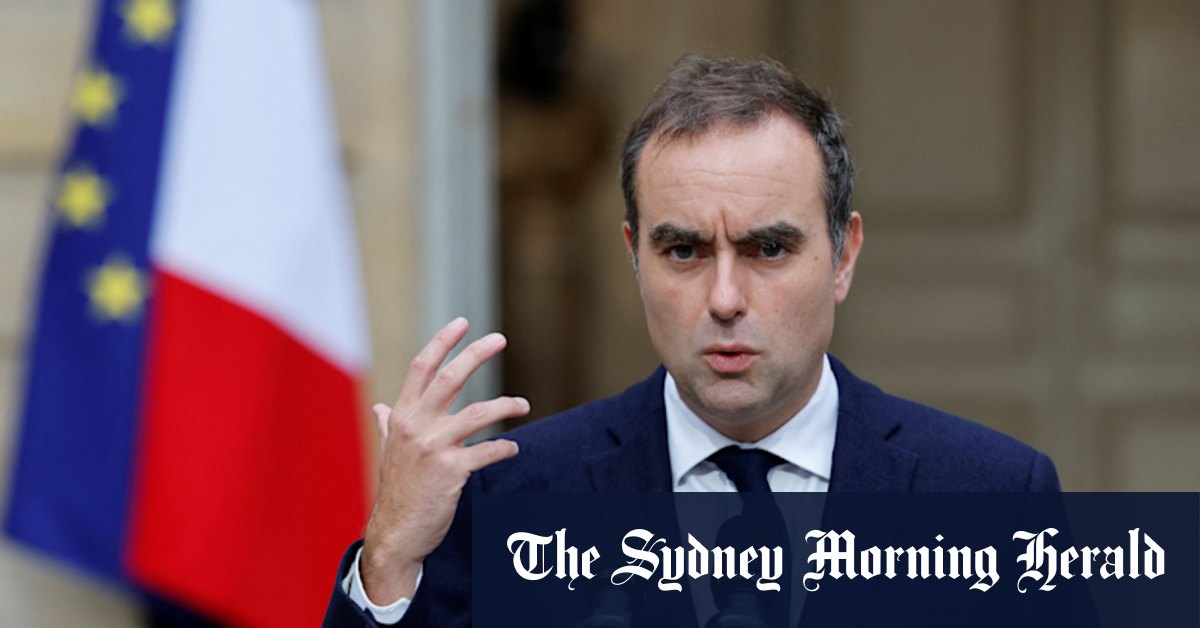
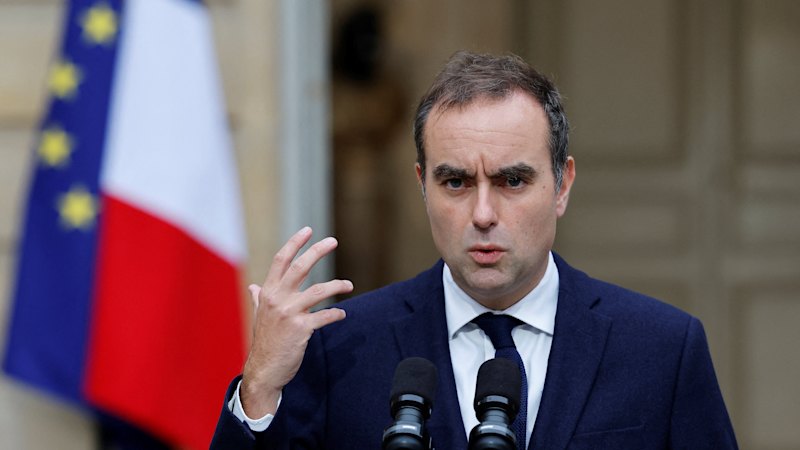
“There’s a willingness to have a finances for France earlier than December 31 of this yr,” Lecornu instructed reporters earlier on Wednesday, after talks with conservatives and centre-right events and earlier than assembly the events on the left.
Loading
“And this willingness creates momentum and convergence, clearly, which reduces the prospects of dissolution.”
With the Nationwide Rally taking a tough line in opposition to Macron within the hope of toppling him on the subsequent presidential election – due in 2027 – the president and his allies seem more likely to flip to the events on the left to type a brand new authorities that may maintain assist in parliament.
The Nationwide Rally and its allied events maintain 138 seats within the Nationwide Meeting, making them the biggest bloc, whereas the Ensemble coalition – loyal to Macron – has solely 91 seats. France Unbowed holds 71 seats and the Socialists maintain 66, whereas the Greens have 38.
Lecornu has spent the previous three weeks attempting to barter new insurance policies and a brand new cupboard that would survive the impasse in parliament, however the cupboard he named on Sunday included many of the ministers within the earlier authorities, outraging his critics.
Loading
Certainly one of his first strikes as prime minister was to scrap a deeply unpopular try by his predecessor, François Bayrou, to abolish two public holidays in a proposal to carry productiveness and lower authorities prices. With this dropped, Lecornu sought to barter the passage of a finances that would deliver welfare spending underneath management.
One other dispute is about whether or not to reduce the price of the pension after the federal government raised the retirement age from 62 to 64 two years in the past – nonetheless a supply of fierce argument from those that have to attend longer to obtain authorities advantages.
The French financial system has slowed over the previous 4 years, and authorities spending has elevated, placing federal debt on monitor to succeed in almost 120 per cent of GDP subsequent yr, based on the OECD.
