

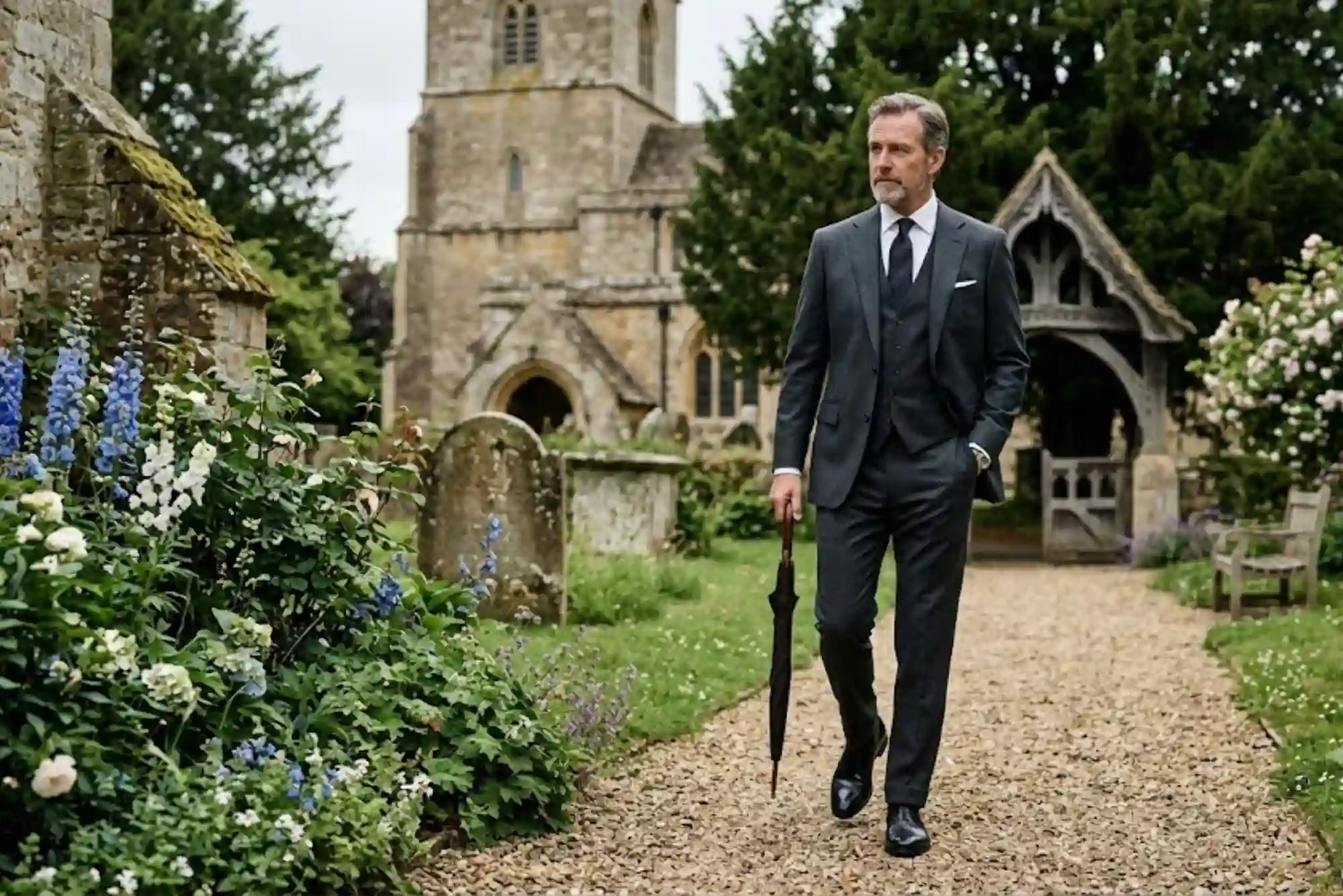
Choosing appropriate men’s funeral clothes is an important part of showing respect for the deceased, their family, and the occasion itself. While modern dress codes have become more flexible in many areas of life, funeral attire continues to carry certain expectations that reflect dignity, sensitivity, and consideration.
Many men are unsure about what is appropriate to wear, especially if they do not regularly attend formal events. Understanding the principles behind funeral clothing can help remove uncertainty and ensure you present yourself respectfully during a difficult time.
Although customs may vary depending on culture, religion, and family wishes, traditional funeral attire in the UK generally favours understated colours, tailored clothing, and minimal accessories.
Why Funeral Attire Matters
A funeral is not a fashion event. The purpose of funeral clothing is to avoid drawing attention to oneself while demonstrating respect for the person being remembered.
Appropriate attire communicates thoughtfulness and consideration. It allows the focus to remain on supporting family members and honouring the life of the deceased rather than personal style choices.
For gentlemen, this typically means selecting conservative, well-maintained clothing that reflects the seriousness of the occasion.
Traditional Men’s Funeral Clothes
The most widely accepted funeral outfit remains a dark suit combined with a white or muted-colour shirt and a conservative tie.
Classic funeral attire generally includes:
- Dark navy suit
- Charcoal grey suit
- Black suit
- White dress shirt
- Dark tie
- Black leather shoes
- Dark socks
These combinations remain appropriate for most funeral services across the UK.
Is Black Always Required?
While black has traditionally been associated with mourning, it is no longer the only acceptable choice.
Dark navy and charcoal grey are commonly worn and are often viewed as equally respectful. The key consideration is maintaining a subdued and understated appearance.
Gentlemen who understand the principles of suits and colors often recognise that darker shades communicate formality and respect more effectively than brighter alternatives.
Choosing the Right Suit
Black Suit
A black suit remains the most traditional option and is particularly appropriate for formal services.
Charcoal Grey Suit
Charcoal provides a refined appearance while remaining suitably understated.
Navy Suit
A well-tailored navy suit is widely accepted for funerals and often serves as a versatile wardrobe staple for various formal occasions.
For men who already own a quality blue color blazer for men, it is important to note that a blazer and contrasting trousers may not always be formal enough for certain funeral services. A complete dark suit is generally the safer choice.
What Shirt Should You Wear?
A plain white dress shirt remains the most traditional option. Light blue shirts may also be acceptable in some circumstances, provided the overall outfit remains conservative.
Avoid:
- Bold patterns
- Bright colours
- Loud prints
- Novelty designs
Simplicity is usually the most respectful approach.
Ties and Accessories
Accessories should remain understated and discreet.
Appropriate Tie Choices
- Black tie
- Navy tie
- Dark grey tie
- Subtle patterned tie
The tie should complement the formality of the occasion without attracting attention.
Pocket Squares
If worn, a simple white pocket square is preferable to colourful or decorative alternatives.
Watches and Jewellery
Keep jewellery minimal and avoid oversized watches or statement accessories.
Can You Wear Black Tie Attire to a Funeral?
Some men assume that greater formality automatically makes clothing more appropriate. However, traditional black tie event men attire is generally not suitable for funerals unless specifically requested by the family.
Tuxedos and formal eveningwear are designed for celebratory occasions rather than memorial services. A dark business suit remains the preferred choice in most situations.
Funeral Attire During Different Seasons
Winter Funerals
A dark wool overcoat, scarf, and leather gloves can provide warmth while maintaining a respectful appearance.
Summer Funerals
Lighter-weight wool suits help improve comfort during warmer weather. Dark colours should still be prioritised, even when choosing breathable fabrics.
Comfort is important, but maintaining appropriate standards of dress should remain the primary consideration.
Modern Funeral Dress Codes
Not all funerals follow traditional expectations. Some families request specific colours, themes, or attire that reflects the personality of the deceased.
In such cases, respecting the family’s wishes should always take precedence over conventional dress rules.
If instructions are provided, follow them carefully and thoughtfully.
Common Funeral Clothing Mistakes
- Wearing bright colours
- Choosing casual trainers
- Wearing ripped or distressed clothing
- Selecting loud patterns
- Ignoring family requests
- Wearing clothing that appears unkempt
Even simple, affordable clothing can appear respectful when clean, well-fitted, and appropriate for the occasion.
What If You Don’t Own a Suit?
If a suit is unavailable, the goal should be to dress as smartly and conservatively as possible.
A dark blazer, plain shirt, dark trousers, and polished shoes can be an acceptable alternative in some circumstances. However, a properly tailored suit remains preferable whenever possible.
Investing in a quality dark suit is worthwhile because it can also be worn for interviews, weddings, formal dinners, and other important occasions throughout life.
Balancing Respect and Personal Style
Funeral attire should never become a platform for self-expression. The objective is not to stand out but to demonstrate respect and support.
Gentlemen can still present themselves with elegance and dignity by focusing on fit, grooming, and understated quality rather than fashion trends.
This approach reflects the timeless principles that define classic gentlemanly style.
Final Thoughts
Understanding appropriate men’s funeral clothes helps ensure you approach difficult occasions with confidence and sensitivity. A dark, well-fitted suit, conservative accessories, and respectful presentation remain the safest and most appropriate choices for most funerals.
While traditions continue to evolve, the core principle remains unchanged: dress in a manner that honours the deceased and supports those who are grieving.
For additional guidance on funeral etiquette, the Funeral Guide funeral etiquette resource offers practical advice for attendees and families alike.
