

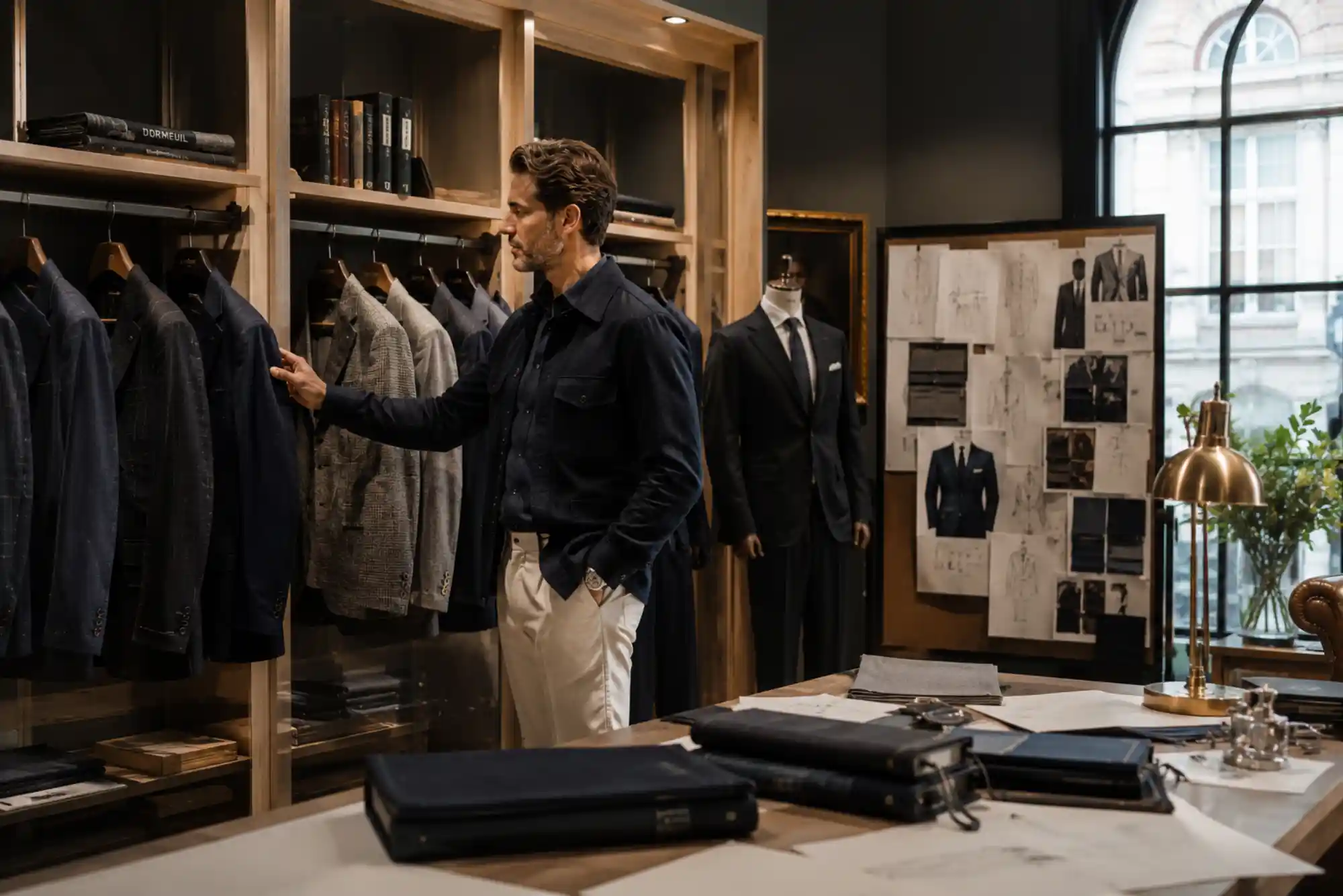
Few locations have influenced men’s fashion as profoundly as Savile Row. For generations, this iconic London street has represented the highest standards of tailoring craftsmanship, attracting clients who value quality, individuality, and timeless style. While many tailoring houses contribute to Savile Row’s global reputation, certain names have become particularly associated with the evolution of modern British menswear.
Among these is William Hunt Savile Row, a tailoring brand recognised for bringing a distinctive contemporary perspective to traditional British tailoring. Alongside other notable names such as Gieves & Hawkes, Kilgour, and Hackett London, William Hunt has helped shape how modern clients view bespoke and luxury tailoring.
Understanding the influence of these tailoring houses provides valuable insight into why Savile Row remains one of the most respected destinations for menswear in the world.
The Enduring Influence of Savile Row
Savile Row’s reputation was built on a commitment to craftsmanship, precision fitting, and personalised service. Over the years, its tailoring houses have developed individual identities while maintaining the core principles that define bespoke tailoring.
Today, clients visit Savile Row for a wide variety of reasons, including:
- Business tailoring.
- Wedding attire.
- Formalwear.
- Luxury wardrobe investments.
- Personal style development.
- Traditional bespoke craftsmanship.
Many individuals begin their tailoring journey by researching a Savile Row suit before exploring specific tailoring houses and their unique approaches.
William Hunt Savile Row: A Modern Interpretation of British Tailoring
William Hunt has become known for blending traditional tailoring techniques with a more contemporary aesthetic. The brand developed a reputation for creating garments that appeal to clients seeking classic craftsmanship while embracing modern silhouettes and styling details.
Its approach reflects a broader shift within British tailoring, where heritage remains important but contemporary lifestyles increasingly influence design decisions.
Many modern tailoring clients are looking for garments that can transition effortlessly between professional, social, and formal environments. This demand has encouraged tailoring houses to offer greater versatility while maintaining high standards of construction and fit.
How Contemporary Tailoring Has Evolved
The expectations of tailoring clients have changed considerably over the past few decades. While traditional structure and formality remain important for some wearers, others seek softer silhouettes, lighter fabrics, and increased comfort.
As a result, many Savile Row and London tailoring houses have adapted their offerings to meet evolving preferences.
Popular modern tailoring features include:
- Lightweight jacket construction.
- Natural shoulder lines.
- Versatile three-piece options.
- Contemporary lapel designs.
- Seasonal fabric collections.
- Flexible styling suitable for multiple occasions.
Clients interested in personalised clothing often compare these options with custom made suits when exploring different levels of tailoring.
Gieves Savile Row and Military Tailoring Heritage
Among the most recognised names associated with British tailoring heritage is Gieves & Hawkes. The company’s historical connections to military tailoring helped establish its reputation for precision, structure, and attention to detail.
Military influences have long shaped British tailoring traditions, particularly in areas such as garment balance, silhouette, and construction techniques.
These influences continue to inspire contemporary tailoring, even as modern clients increasingly seek greater flexibility and comfort in their clothing.
Kilgour Savile Row and Contemporary Elegance
Kilgour has developed a reputation for combining traditional craftsmanship with refined contemporary design. The tailoring house has often been associated with cleaner lines and a modern approach to menswear while remaining rooted in Savile Row tailoring principles.
This ability to evolve while preserving heritage has been one of the reasons many Savile Row businesses have maintained relevance across generations.
For clients seeking sophisticated tailoring without excessive formality, this balance between tradition and innovation remains highly appealing.
Hackett Savile Row and British Style
Hackett London has played a significant role in promoting British menswear both domestically and internationally. While often associated with classic British style rather than traditional bespoke tailoring alone, the brand has contributed to broader awareness of tailoring culture.
Many professionals and style-conscious individuals view Hackett London Savile Row influences as part of a wider appreciation for British tailoring traditions.
The company’s emphasis on timeless style demonstrates how tailoring principles can extend beyond bespoke garments into broader menswear collections.
What Clients Look for in a Savile Row Tailor
Choosing a tailoring house is often a highly personal decision. While reputation and heritage matter, clients frequently prioritise the overall experience and relationship with their tailor.
Factors commonly considered include:
- Tailoring expertise.
- Fit quality.
- Communication.
- Fabric selection.
- Design flexibility.
- Long-term service and support.
Successful tailoring relationships often develop over many years as patterns are refined and wardrobes evolve.
Individuals seeking the highest level of personalisation frequently explore the benefits of a bespoke suit before committing to a tailoring house.
How Tailoring Houses Differentiate Themselves
Although all respected tailoring houses share a commitment to quality, each develops its own distinctive style and approach.
Differences may include:
- Silhouette preferences.
- Construction methods.
- Fabric partnerships.
- Client consultation styles.
- House tailoring traditions.
- Approach to modern fashion trends.
This diversity allows clients to select a tailor whose philosophy aligns with their personal style and lifestyle requirements.
Cost Considerations When Choosing a Tailoring House
Pricing varies considerably across London’s tailoring market. Factors such as craftsmanship, fabric quality, reputation, and construction methods all contribute to the final cost.
Clients evaluating different tailoring houses often compare both quality and value rather than focusing exclusively on price.
Those seeking greater insight into tailoring investments may benefit from reviewing our guide on bespoke tailoring cost and the factors that influence pricing.
The Continued Importance of British Tailoring
British tailoring remains highly respected because it combines heritage with adaptability. While fashion trends continue to change, the principles of fit, craftsmanship, and quality remain relevant.
Modern tailoring houses continue to innovate while preserving techniques that have been refined over generations.
This combination of tradition and evolution ensures that British tailoring maintains its position as a global benchmark for menswear excellence.
Industry organisations such as the Savile Row Bespoke Association continue to support and promote the standards that define authentic bespoke tailoring.
Final Thoughts
William Hunt Savile Row, alongside influential names such as Gieves & Hawkes, Kilgour, and Hackett London, represents different facets of Britain’s tailoring landscape. Each has contributed to the ongoing development of menswear while maintaining a connection to the craftsmanship that defines Savile Row.
For clients exploring bespoke tailoring, understanding the philosophies and histories of these tailoring houses can provide valuable context when choosing where to begin their tailoring journey. Whether seeking classic elegance, contemporary styling, or a balance of both, Savile Row continues to offer some of the finest tailoring expertise available anywhere in the world.
