

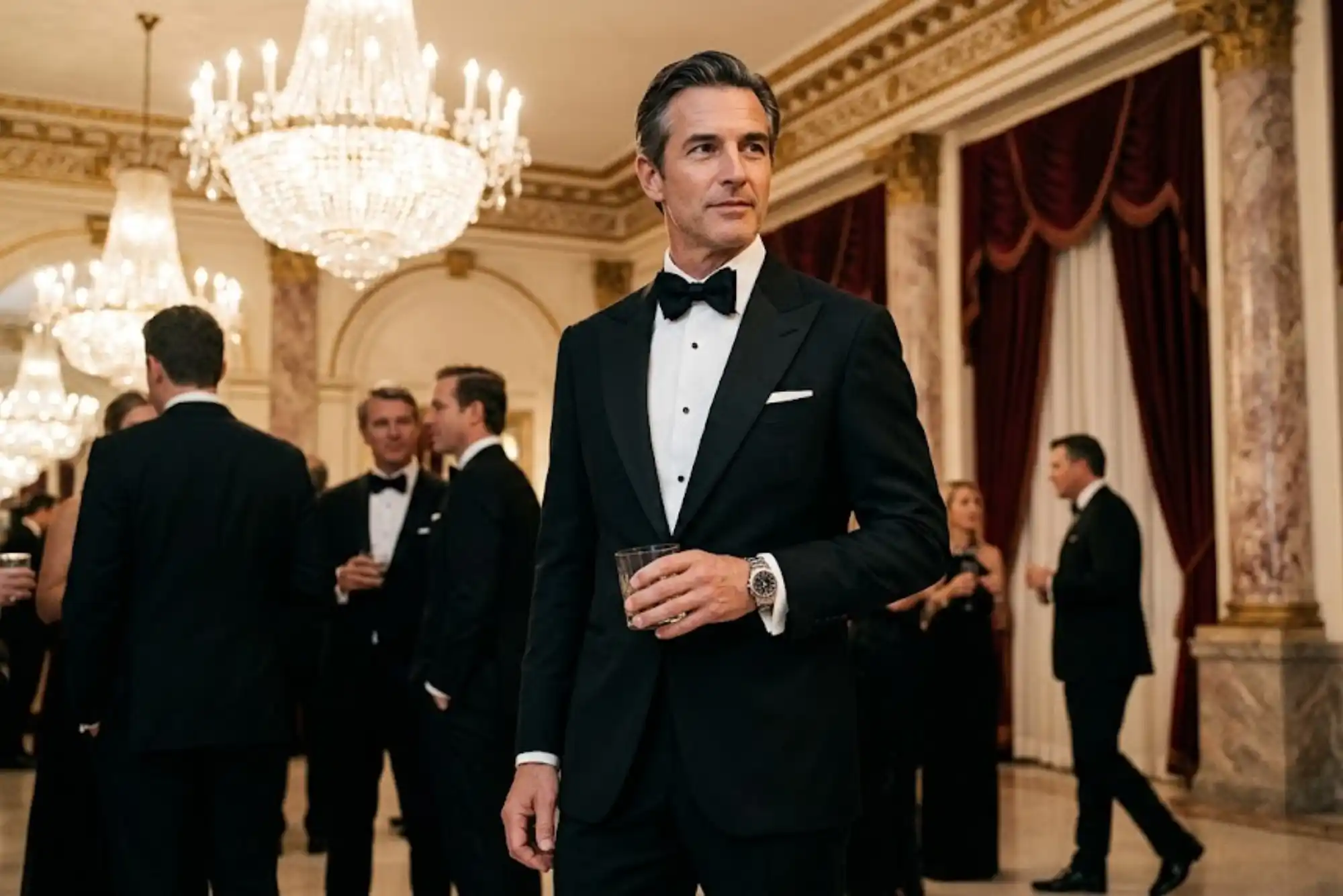
The phrase black tie black tie may seem repetitive, but it often appears in online searches from people looking for clear guidance on one of the most important dress codes in menswear. Despite its long history, black tie remains misunderstood, with many men unsure whether they need a tuxedo, a black suit, a waistcoat, or specific footwear.
Understanding black tie attire is essential for weddings, galas, charity events, awards ceremonies, and other formal occasions. While the dress code has evolved over the years, its core principles remain rooted in elegance, simplicity, and attention to detail.
This guide explains everything modern gentlemen need to know about dressing appropriately for a black tie event.
What Does Black Tie Actually Mean?
Black tie is a formal evening dress code traditionally centred around a tuxedo. It is considered less formal than white tie but more formal than standard business or cocktail attire.
A true black tie outfit generally includes:
- Black tuxedo jacket
- Matching trousers
- White dress shirt
- Black bow tie
- Formal dress shoes
- Optional waistcoat or cummerbund
The objective is to create a refined and cohesive appearance that reflects the significance of the occasion.
Black Tie Suit vs Standard Suit
One of the most common misconceptions involves the term black tie suit.
Technically, black tie refers to a tuxedo rather than a conventional business suit. The key distinction lies in formal detailing such as satin lapels, satin trouser trims, and formal accessories.
A regular black suit can appear smart, but it does not fully satisfy traditional black tie requirements.
When an invitation explicitly states black tie, a tuxedo remains the safest and most appropriate choice.
Can You Wear a Black Tie Black Suit?
Many men search for guidance on wearing a black tie black suit to formal events.
While a well-tailored black suit may be acceptable for certain modern occasions, it should not automatically be considered a substitute for a tuxedo.
If the event is highly formal, a tuxedo demonstrates respect for the dress code and generally provides a more elegant appearance.
The Importance of a Proper Tuxedo
A man in black tuxedo remains one of the most timeless and sophisticated images in menswear.
The enduring appeal of the tuxedo comes from its clean lines, balanced proportions, and understated elegance.
Traditional features include:
- Satin shawl or peak lapels
- Single-button closure
- Matching formal trousers
- Minimal external detailing
- Crisp white dress shirt
When properly tailored, a tuxedo flatters almost every body type.
Choosing the Right Black Tie Shirt
The shirt forms an essential part of the overall ensemble.
Classic black tie shirts typically feature:
- White cotton fabric
- Formal collar
- French cuffs or double cuffs
- Concealed placket or formal studs
The clean contrast between the white shirt and black tailoring creates the iconic black tie aesthetic.
Formal Mens Black Dress Shoes
Footwear should never be an afterthought when dressing for black tie.
Traditional formal mens black dress shoes include patent leather Oxford shoes, highly polished calfskin Oxfords, or formal opera pumps.
Regardless of style, shoes should be impeccably maintained and complement the sophistication of the tuxedo.
Should You Wear a Waistcoat?
The mens black waistcoat remains a popular option for men seeking a more traditional black tie appearance.
While not always required, a waistcoat can add refinement and structure to the outfit.
Alternatively, many men choose a cummerbund for a classic eveningwear look.
The choice often depends on personal preference, event formality, and the specific design of the tuxedo.
Black Tie Weddings
Black tie weddings have become increasingly popular throughout the UK, particularly for evening receptions and luxury venues.
Guests should always follow the dress code stated on the invitation.
Those planning seasonal celebrations may also find guidance in our article on wedding wear in summer for mens, which explores formal dressing in warmer weather.
Tailoring Makes All the Difference
Even the finest tuxedo can appear average if it does not fit correctly.
Key areas to assess include:
- Shoulder fit
- Jacket length
- Sleeve length
- Trouser break
- Waist suppression
Professional tailoring often transforms a good outfit into an exceptional one.
Accessorising a Black Tie Outfit
Black tie styling should remain restrained and elegant.
Suitable accessories include:
- Black bow tie
- White pocket square
- Cufflinks
- Dress watch
- Formal studs
Excessive accessories can distract from the clean sophistication that defines black tie dressing.
Modern Interpretations of Black Tie
Contemporary menswear has introduced subtle variations to traditional black tie attire.
Midnight blue tuxedos, velvet dinner jackets, and textured fabrics have become increasingly popular at modern formal events.
However, the foundational principles of elegance and simplicity remain unchanged.
Men interested in expanding their formal wardrobe may also benefit from exploring options such as beige colour suits for men for daytime events and less formal occasions.
Common Black Tie Mistakes to Avoid
Even experienced dressers occasionally make errors when navigating formalwear.
Common mistakes include:
- Wearing a standard necktie instead of a bow tie
- Choosing poorly fitted tailoring
- Ignoring footwear quality
- Over-accessorising
- Substituting casual shirts for formal dress shirts
Avoiding these issues helps maintain the polished appearance expected at black tie events.
Why Black Tie Remains Timeless
Few dress codes have demonstrated the longevity of black tie. Its enduring appeal lies in its ability to create a sophisticated, confident, and universally flattering appearance.
Whether attending a wedding, gala, formal dinner, or prestigious event, understanding the principles of black tie dressing ensures you arrive appropriately dressed and feeling confident.
For further insight into formal menswear traditions and tuxedo etiquette, the Gentleman’s Gazette Black Tie Guide offers detailed advice on classic eveningwear standards.
