

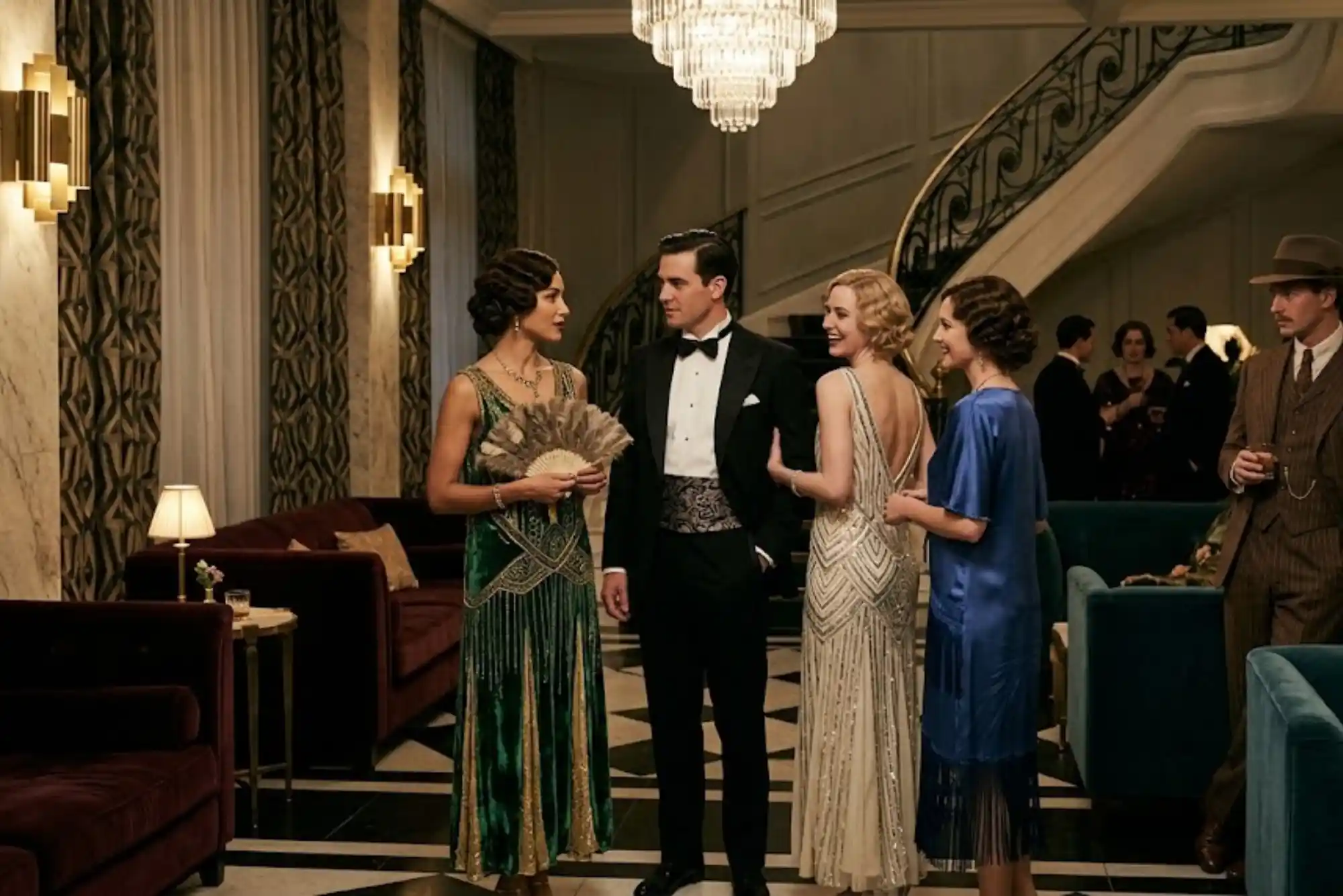
The story of 1920s dress fashion is one of the most fascinating chapters in style history. The decade transformed the way people dressed, challenged traditional fashion conventions, and introduced silhouettes that continue to influence designers more than a century later.
Often referred to as the Roaring Twenties, this period was characterised by cultural change, economic growth, artistic experimentation, and evolving social attitudes. Fashion became more expressive, less restrictive, and increasingly reflective of modern lifestyles.
Today, elements of 1920s style remain visible in contemporary fashion, from elegant eveningwear and vintage-inspired footwear to the growing popularity of old money aesthetics and heritage tailoring.
The Cultural Influence Behind 1920s Fashion
The First World War had a significant impact on fashion. As society changed, clothing became more practical and comfortable.
Women embraced greater independence, and designers responded with garments that allowed increased freedom of movement. Men also adopted more relaxed tailoring compared to earlier decades.
This cultural shift helped establish many of the design principles that would define 1920s fashion.
Defining Features of Roaring Twenties Style Dresses
The iconic roaring 20s style dresses remain among the most recognisable garments in fashion history.
Common characteristics included:
- Dropped waistlines
- Loose silhouettes
- Decorative beadwork
- Fringe detailing
- Art Deco influences
- Luxurious fabrics
Unlike the structured fashions of previous eras, these dresses prioritised movement and comfort while maintaining elegance.
Their influence can still be seen in modern cocktail dresses and formal eveningwear.
How 1920s Fashion Changed Women’s Style
The decade marked a dramatic departure from restrictive corseted silhouettes.
Women increasingly favoured garments that reflected changing lifestyles, including shorter hemlines and simplified designs.
This evolution represented not only a fashion trend but also a broader social transformation.
Many contemporary designers continue to draw inspiration from these pioneering changes.
Vintage Fashion for All Body Types
Interest in historical fashion has led to growing demand for plus size retro style dresses inspired by vintage eras.
Modern interpretations often combine classic design elements with contemporary tailoring techniques, making vintage-inspired clothing accessible to a wider audience.
This approach allows individuals to enjoy historical aesthetics while benefiting from modern comfort and fit standards.
The Evolution of Swimwear
Fashion history extends beyond everyday clothing.
While the 1920s introduced more practical swimwear, later decades continued to refine these concepts.
The development of bathing suits in the 1940s demonstrates how designers gradually balanced functionality, modesty, and style.
These changes contributed significantly to the evolution of modern beachwear.
The Importance of Vintage Footwear
No discussion of vintage fashion is complete without examining footwear.
Classic vintage high heel shoes played an important role in completing formal outfits during the early twentieth century.
Today, many fashion enthusiasts seek vintage looking shoes that capture the elegance of historical designs while offering modern comfort.
These styles remain popular for themed events, weddings, and vintage-inspired wardrobes.
How Men’s Fashion Evolved During the 1920s
Although women’s fashion often receives greater attention, men’s style also underwent significant changes during the decade.
Tailoring became slightly less rigid, and new approaches to casual dressing emerged.
The foundations established during this period continue to influence contemporary menswear.
The Connection Between 1920s Fashion and Old Money Style
One reason vintage aesthetics remain popular is their connection to the modern old money trend.
Many elements associated with today’s old money suits can be traced back to early twentieth-century tailoring traditions.
These garments emphasise quality, refinement, and understated elegance rather than conspicuous branding.
Similarly, classic old money shirts continue to prioritise craftsmanship and timeless design.
Understanding Old Money Colours
The old money aesthetic often relies on a restrained colour palette that reflects traditional elegance.
Popular old money colours include:
- Navy
- Cream
- Camel
- Forest green
- Burgundy
- Charcoal
- Soft beige
These colours create a sophisticated appearance while maintaining versatility across different seasons and occasions.
The Influence of Heritage Tailoring on Modern Menswear
Many contemporary tailoring trends draw inspiration from historical clothing traditions.
For example, lighter formalwear options such as beige colour suits for men reflect the enduring appeal of classic elegance adapted for modern lifestyles.
Similarly, formal dressing traditions continue through garments explored in our guide to black tie black tie attire.
Mens 50s Pants and Mid-Century Style
Fashion did not stop evolving after the 1920s.
The popularity of mens 50s pants demonstrates how subsequent decades introduced their own distinctive silhouettes and styling philosophies.
High-waisted trousers, pleated designs, and refined tailoring became defining characteristics of post-war menswear.
Many of these details remain influential in contemporary fashion collections.
Why Vintage Fashion Continues to Inspire Designers
Historical fashion offers something many modern trends struggle to provide: enduring character.
Designers frequently revisit vintage eras because they contain timeless principles of proportion, craftsmanship, and elegance.
The 1920s, in particular, continue to inspire collections across luxury fashion, bridal wear, formalwear, and everyday clothing.
Rather than simply recreating historical garments, contemporary designers reinterpret classic ideas for modern audiences.
The Lasting Legacy of 1920s Dress Fashion
More than a century later, the influence of 1920s dress fashion remains unmistakable. From glamorous evening dresses and vintage-inspired footwear to heritage tailoring and old money aesthetics, the decade continues to shape how people approach style.
Its emphasis on elegance, individuality, and innovation ensures that the Roaring Twenties remain one of the most influential periods in fashion history.
For readers interested in exploring historical fashion in greater depth, the Victoria and Albert Museum’s history of 20th-century fashion provides valuable insights into the cultural and stylistic developments that shaped modern clothing.
